

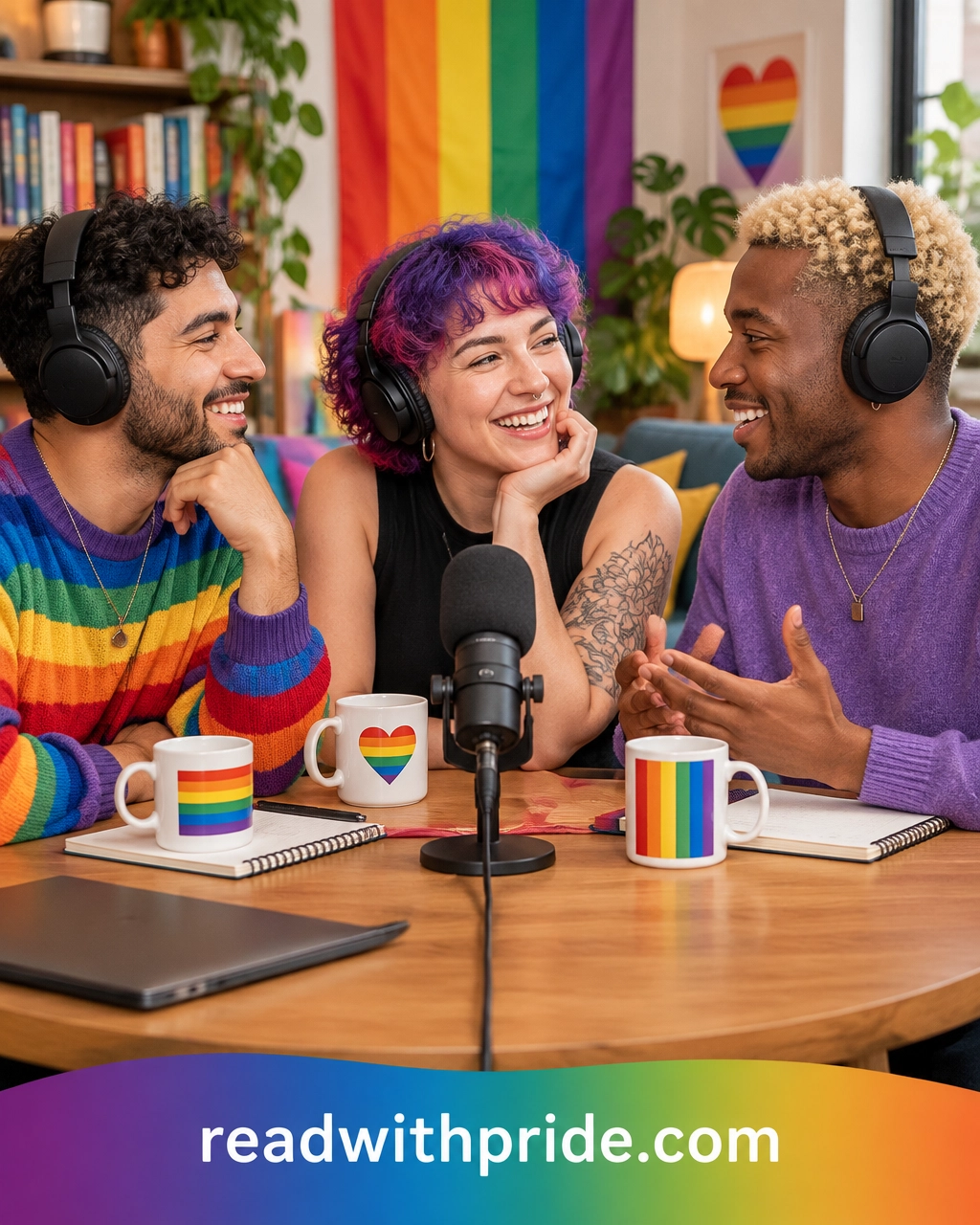
There is something wonderfully queer about pressing record and saying, “Tell me what this community has survived, built, loved, and learned.”
Starting a queer community podcast or community-radio hour is one of those queer hobbies that can begin with a borrowed microphone and become something much bigger: community building, oral history, mutual aid, and a reliable excuse to invite people over for snacks.
You do not need a perfect studio, a broadcasting degree, or a voice that sounds like it belongs on public radio. You need curiosity, care, and at least one friend who knows how to untangle an audio cable.
Start small: your microphone does not need a mortgage

A beginner setup can be surprisingly simple:
- One or two affordable USB microphones.
- Headphones for monitoring.
- A laptop you already own, borrow, or share.
- Free or low-cost editing software.
- A quiet room with soft furnishings to reduce echo.
If you plan to interview people away from home, a small portable recorder can help. But do not let gear become a barrier. Clear, thoughtful conversation matters more than owning equipment with seventeen mysterious buttons.
Ask your community whether anyone has a microphone, laptop, recording space, or editing skills to lend. A shared equipment list can become mutual aid in action. Someone contributes a mic; someone else offers transport; another person makes captions or transcripts.
That is not just producing a show. That is building infrastructure.
Interview queer elders and local makers

Your first episode could feature a queer elder talking about local community history. Another might spotlight a drag artist, ceramicist, baker, illustrator, tattoo artist, community organiser, or maker whose work deserves a wider audience.
Keep interviews open and human. Try questions such as:
- What did queer community look like when you were younger?
- Who helped you feel less alone?
- What objects, places, or rituals hold special memories?
- What do you wish younger LGBTQ+ people knew?
- What are you making or building now?
Before recording, explain where the episode may appear and ask what name, pronouns, and personal details your guest wants used. Let guests pause, skip questions, request edits, or withdraw if they change their mind.
Oral history should not feel like extracting someone’s pain for content. Make room for humour, joy, ordinary routines, chosen family, and the stories that begin with, “This is probably not what you expected…”
If you have funds, offer a stipend, meal, travel support, or small gift. Respect is part of the production budget.
Turn episodes into a listening party
A podcast becomes community care when people gather around it.
Host a listening party at a queer-friendly community centre, library, café, living room, or shared garden. Play a short episode, then invite conversation. What memories did it raise? What surprised people? What should the community record next?
Add a simple “needs and offers” board:
- “I need a lift to an appointment.”
- “I can lend a microphone.”
- “I know a free accessible venue.”
- “I can help with captions.”
- “I make excellent emergency biscuits.”

You could also approach a local community-radio station. Ask whether they accept pre-recorded programmes, offer training, or have studio equipment available. A monthly radio hour may be more sustainable than promising a weekly episode while secretly running on crisps and adrenaline.
Let stories connect back to reading
A community podcast can include a short reading recommendation segment without becoming a sales pitch. Discuss MM romance books, gay romance novels, lesbian romance, gay fiction, LGBTQ+ novels, or queer love stories that spark conversations about belonging, identity, family, and desire.
A queer book club could even record occasional roundtables about mm romance tropes, coming out stories, found family, slow burn, enemies-to-lovers, or the emotional logistics of two fictional men refusing to communicate until chapter thirty-seven.
For LGBTQ+ readers searching for LGBTQ+ fiction 2026, Read with Pride offers a welcoming place to discover digital stories across genres and moods. And if your search history somehow includes “C Section 2026” between podcast hosting and gay fiction, honestly, the internet has seen stranger combinations.
Hit record, find your people
You do not need to launch a media empire. Record one conversation. Invite one guest. Ask one generous question.
A microphone can preserve history, share resources, celebrate queer makers, and help strangers become familiar faces. It can turn “I thought I was the only one” into “Oh, you too?”
Visit Read with Pride to browse MM romance books and gay romance novels, explore the LGBTQ+ blog collection, and find stories for your next queer book club discussion. Follow Read with Pride on Facebook and Instagram @read.withpride.
Press record. Ask better questions. Find your people.
#ReadWithPride #QueerHobbies #CommunityBuilding #MMRomanceBooks #GayRomanceNovels #ComingOutStories #QueerBookClub #LGBTQFiction2026 #GayFiction #LGBTQNovels #QueerLoveStories #QueerPodcast #QueerCommunity #OralHistory #CSection2026

Leave a Reply
You must be logged in to post a comment.