

readwithpride.com
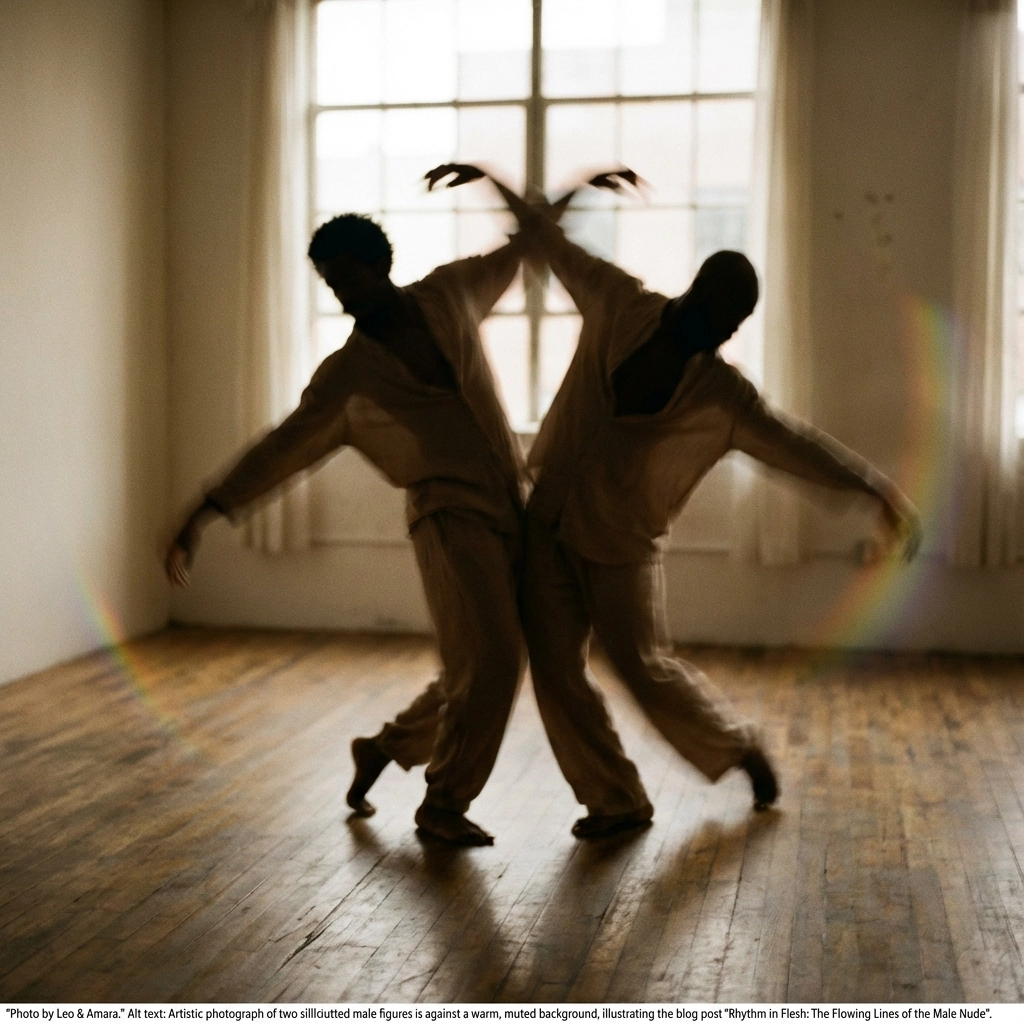
There is something inherently musical about the human body. When we look at a masterpiece: whether it’s a marble statue from the Renaissance or a high-contrast photograph in a modern gallery: we aren't just looking at skin and bone. We are looking at a composition. At Read with Pride, we spend a lot of time talking about the emotional "lines" of a story, but today, we’re stripping things back to the physical. We’re talking about the art of the naked male body, the rhythm of its muscles, and that irresistible flow that makes the male nude a timeless obsession in both art and gay fiction.
If you’ve ever found yourself staring a little too long at a statue in a museum or a particularly well-rendered cover of one of your favorite MM romance books, you’re participating in a tradition that’s thousands of years old. It’s the celebration of the male form: not just as a symbol of strength, but as a study in grace, tension, and movement.
The Architecture of Desire: The Classical S-Curve
In the world of art history, there’s a concept called contrapposto. It sounds fancy, but you’ve seen it a million times. It’s that pose where a man stands with most of his weight on one foot, causing his shoulders and hips to tilt in opposite directions. This creates a subtle "S" shape through the torso.
This S-curve is the secret sauce of the male nude. It’s what gives a static object: like a piece of stone or a digital illustration: the feeling of life. When the weight shifts, everything changes. The muscles of the abdomen compress on one side and stretch on the other. The line of the hip drops, creating a rhythmic flow that leads the eye from the tilt of the head, down the column of the neck, across the chest, and finally down to the calves.
This rhythm is exactly what we look for in queer fiction. When an author describes a character stepping out of a shower or lounging on a bed, they are often subconsciously recreating this classical curve. It’s a visual shorthand for relaxation, vulnerability, and a hint of swagger.
From Neck to Calves: Following the Muscle Flow
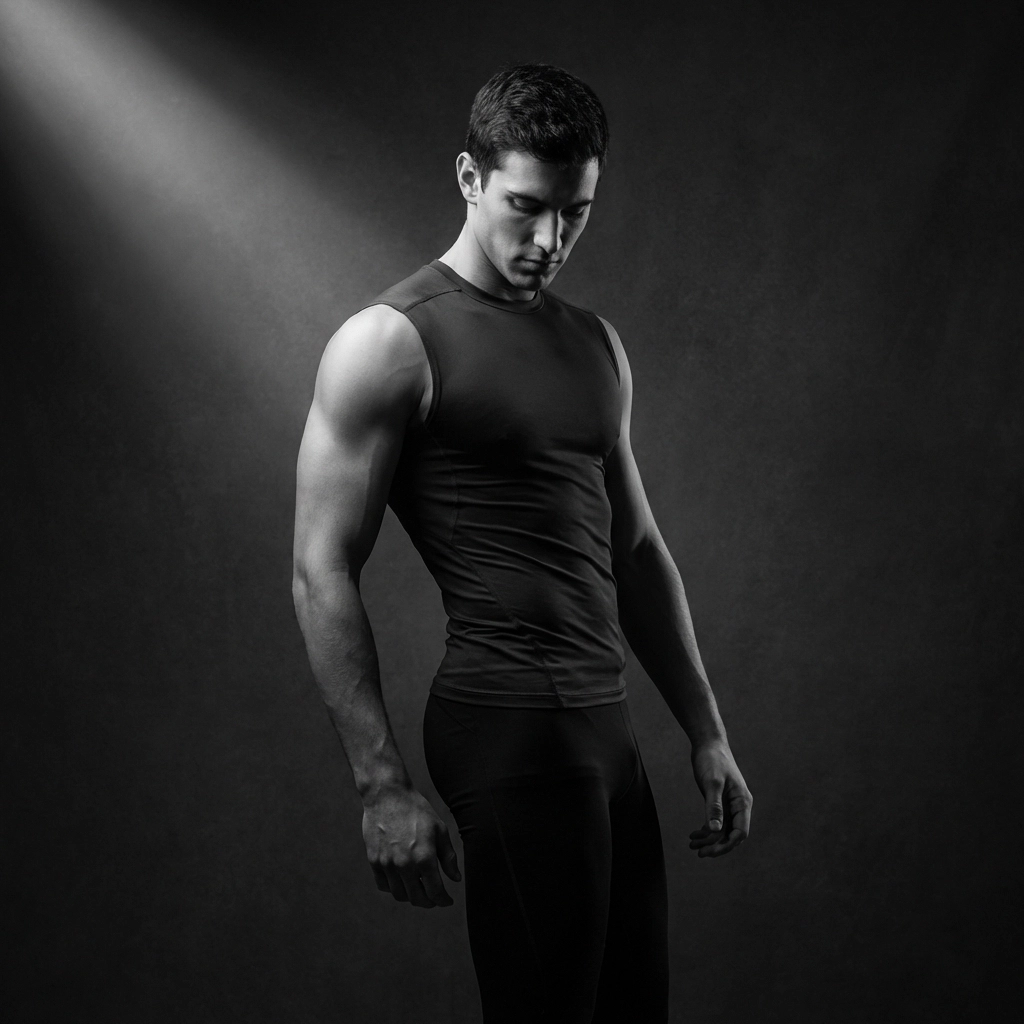
When we talk about "lines" in art, we’re talking about the path the eye takes. In the male nude, those lines are dictated by the musculature. It’s a landscape of peaks and valleys.
- The Neck and Shoulders: The rhythm starts here. The trapezius muscles create a powerful slope that frames the face. In gay romance novels, this is often where the tension lives: the "cords of the neck" tightening during a moment of passion or stress.
- The Torso and the V-Line: Moving down, we hit the chest and the obliques. There is a specific rhythm to the "V" that points toward the hips: often called the Apollo’s Belt. It’s a focal point in both classical sculpture and modern MM contemporary art because it directs the viewer’s gaze downward, creating a sense of anticipation.
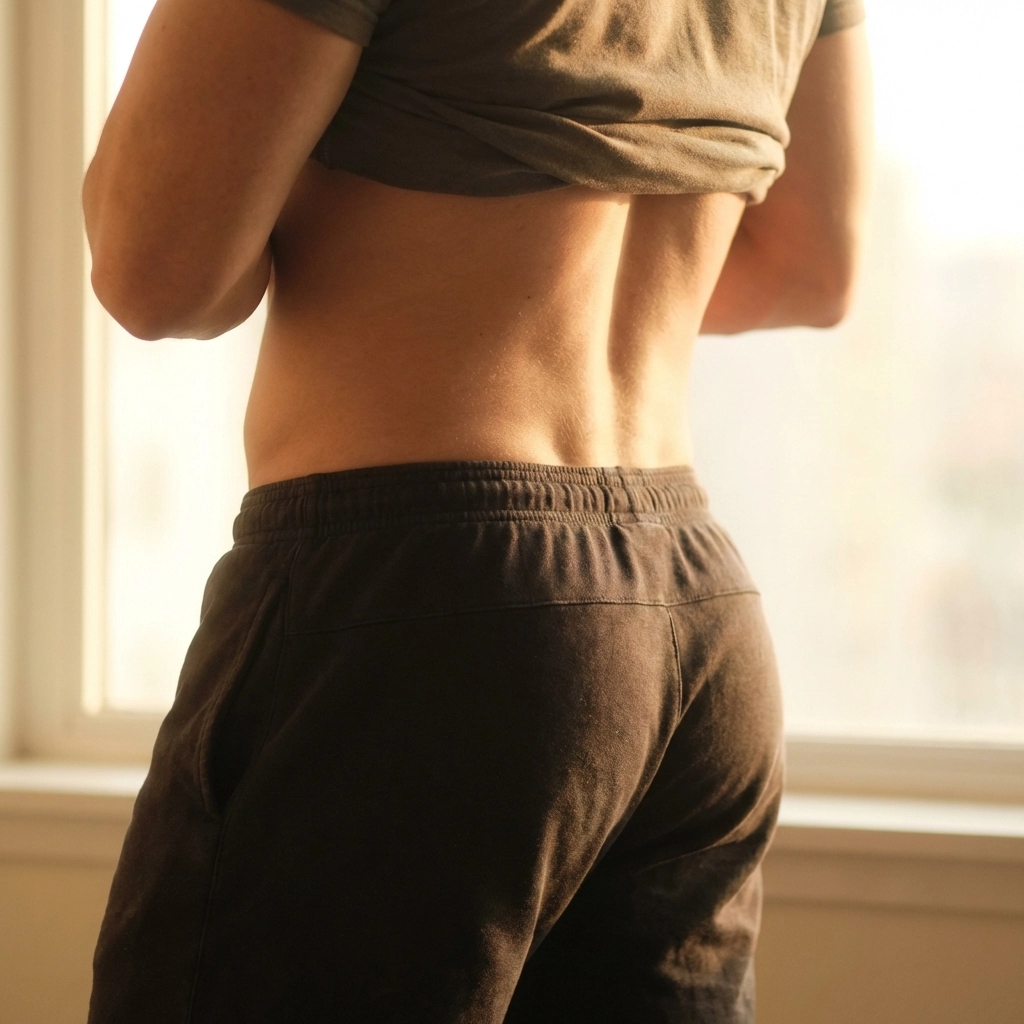
- The Back: This is where the complexity really shines. The human back is a masterpiece of interlocking muscles. When a man moves, his back becomes a shifting map of shadows and light. For many artists, the back is more expressive than the face. It shows effort, exhaustion, and strength without saying a word.
The Power of the Glutes: Beyond Just a "Bum"
Let’s be real: we can’t talk about the male nude without talking about the "bums and muscles." In art, the glutes are the anchor of the body’s rhythm. They are the strongest muscles we have, and they provide the base for that S-curve we mentioned earlier.
In a museum setting, you’ll notice how light hits the rounded planes of the buttocks, creating a contrast with the sharp lines of the hamstrings and the lower back. There’s a weightiness to it that feels grounded and real. In steamy MM romance, descriptions of this part of the anatomy aren't just about "heat"; they’re about the physical presence of a character. It’s about the curve of a body that fits into another’s hands. It’s about the power in those muscles that suggests movement and drive.
Muscles as Language in Gay Literature
At Read with Pride, we believe that the way a body is described in LGBTQ+ ebooks is just as important as the dialogue. A well-described body tells a story.
Think about a gay historical romance where a character is a laborer or a soldier. The "lines" of his body are hard, efficient, and scarred. His muscles tell a story of survival and toil. Compare that to a gay contemporary romance featuring a dancer or a swimmer; the lines are long, lean, and fluid.
The rhythm of the body reflects the rhythm of the soul. When we read about the "flowing lines of a naked body" in a novel like The Canvas and the Closet, we are connecting with the character’s essence. We see their vulnerability in their nakedness and their strength in their form.
The Modern Gaze: Nudism in Museums and Digital Art
While the Greeks started it, the 21st century is perfecting it. Today, naked art isn't confined to dusty museum halls or university life-drawing classes. It’s everywhere: from Instagram photography to the covers of 2026 gay books.
Modern artists are playing with these "flowing lines" in ways that the ancients couldn't imagine. We see digital art that emphasizes the glow of skin, the shimmer of sweat on a bicep, and the intricate ripple of muscles under colored neon lights. This "new" rhythm is faster and more vibrant, but the foundation remains the same: the celebration of the male form.
Museums are also catching up, hosting exhibitions that specifically explore the male nude through a queer lens. They are moving away from the "idealized" body to show the beauty in all types of male bodies: thick, thin, hairy, smooth, young, and old. The "rhythm" is still there; it just has a different beat.

Why We Can't Look Away
Why are we so drawn to the lines of a naked body? It’s not just about sex. It’s about recognition. For the LGBTQ+ community, seeing the male body celebrated as art is an act of reclamation. For a long time, our desires were hidden or seen as "obscene." Putting the naked male body in a museum: or on the cover of popular gay books: says that our attraction is beautiful, artistic, and worthy of study.
The rhythm of the flesh is the rhythm of our lives. It’s the pulse of attraction, the flow of a shared moment, and the physical manifestation of the love stories we tell. Whether you’re browsing a gallery or diving into the latest MM romance series, remember that every curve and every muscle is part of a larger masterpiece.
Explore the Art of the Body with Read with Pride
If you’re looking for stories that celebrate the beauty of the male form and the depth of queer love, you’re in the right place. At Read with Pride, we curate the best in gay fiction, from MM historical romance to gay psychological thrillers.
Check out some of our featured titles that dive deep into the intersection of art and identity:
- The Canvas and the Closet – A beautiful look at art, secrets, and the lines we draw between them.
- The Transaction of Self – An exploration of the body as currency and identity.
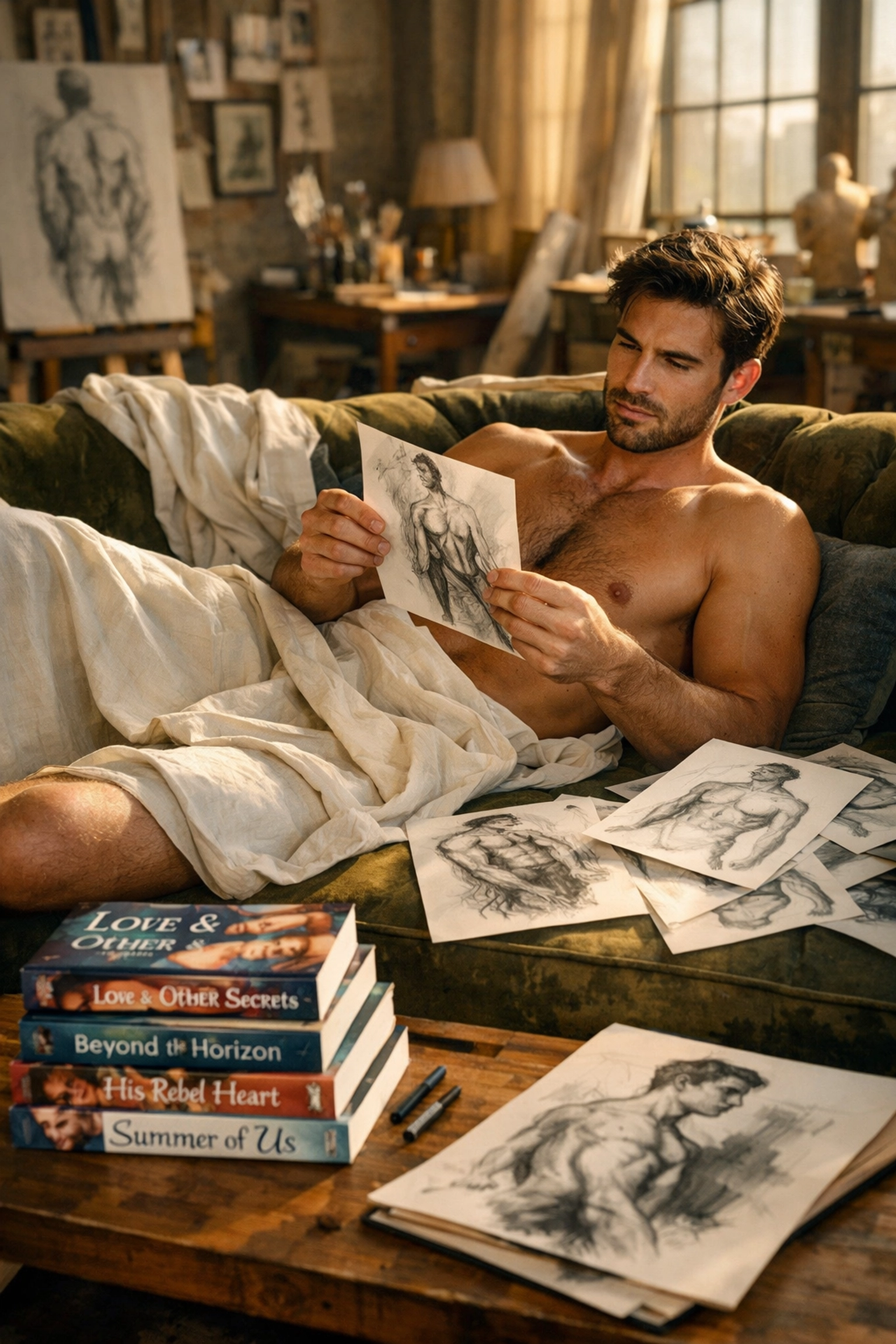
The male body is a landscape of stories waiting to be read. So, next time you’re looking at a piece of art or reading a particularly descriptive scene in a gay novel, take a moment to appreciate the rhythm. The flow of the muscles, the curve of the back, and the lines that connect us all.
Stay authentic, stay curious, and keep reading with pride.
Join the Conversation:
What’s your favorite depiction of the male form in art or literature? Is it a classic statue, a modern photo, or a specific character from a book? Let us know on social media!
Follow us for more art, books, and queer culture:
- Facebook: Read with Pride
- X (Twitter): @Read_With_Pride
- Instagram: @read.withpride
Visit our home for more: readwithpride.com
#GayArt #MaleNude #MMRomance #ReadWithPride #LGBTQBooks #ArtHistory #QueerCulture #GayFiction #BodyPositivity #MaleForm #2026GayBooks #MMRomanceBooks

Leave a Reply
You must be logged in to post a comment.