

readwithpride.com
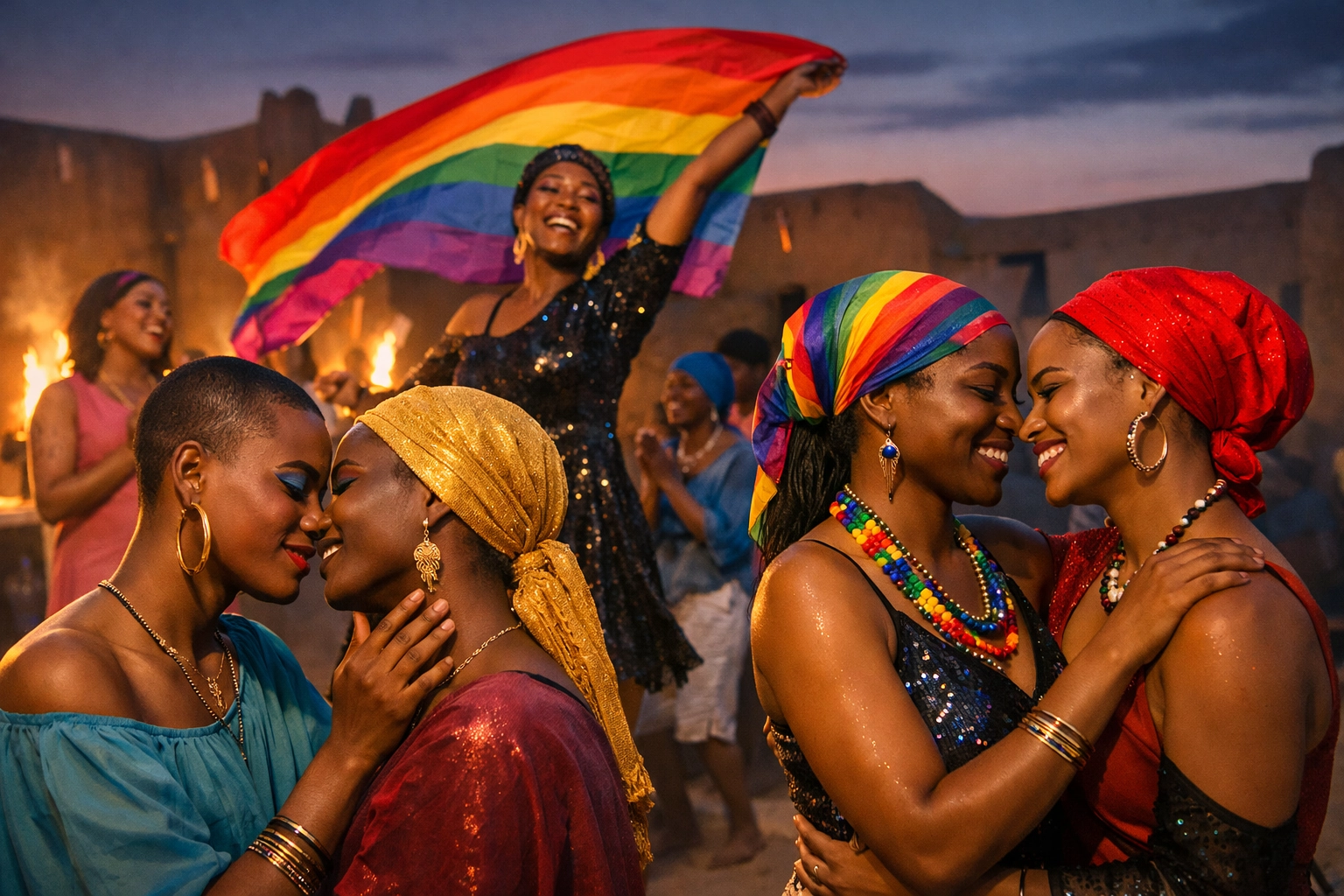
When we talk about queer history, the conversation often centers on Western milestones like Stonewall. But at Read with Pride, we know that the rainbow has been shining across the globe for centuries, often in ways that defy our modern, Western labels. Today, we’re heading to Northern Nigeria to meet a group of people who have been navigating the intersection of gender, faith, and tradition long before the first Pride parade: the 'Yan Daudu.
If you’re a fan of historical mm romance novels or stories about found families, the history of the 'Yan Daudu will feel both familiar and revolutionary. They aren’t just a "subculture"; they are a living testament to the complexity of African gender identity.
Who are the 'Yan Daudu?
In the Hausa language, 'Yan Daudu literally translates to "sons of Daudu." But who is Daudu? In pre-Islamic Hausa animist traditions, Daudu was a flamboyant male spirit: a lover of gambling, fine clothes, and all things beautiful. Those who embrace the identity of 'Yan Daudu are men who adopt feminine mannerisms, speech, and often, social roles.
In a society that is often viewed through the lens of strict religious orthodoxy, the 'Yan Daudu occupy a fascinating, "ambiguous" space. They aren't necessarily "transgender" in the way we define it in 2026, nor are they strictly "gay" in the political sense. Instead, they represent a gender-fluid performance that has existed for generations.
Style, Grace, and the Gidan Mata
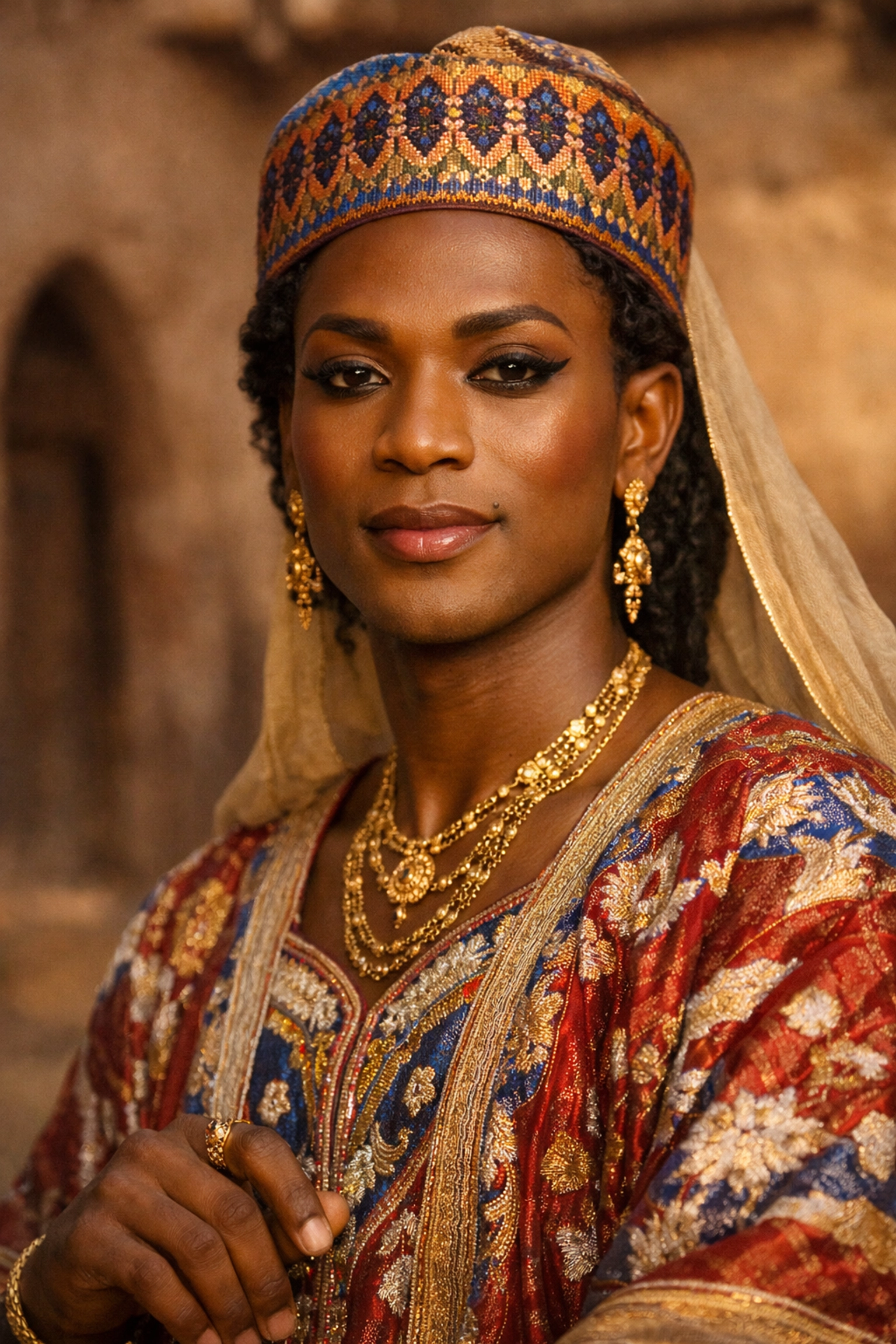
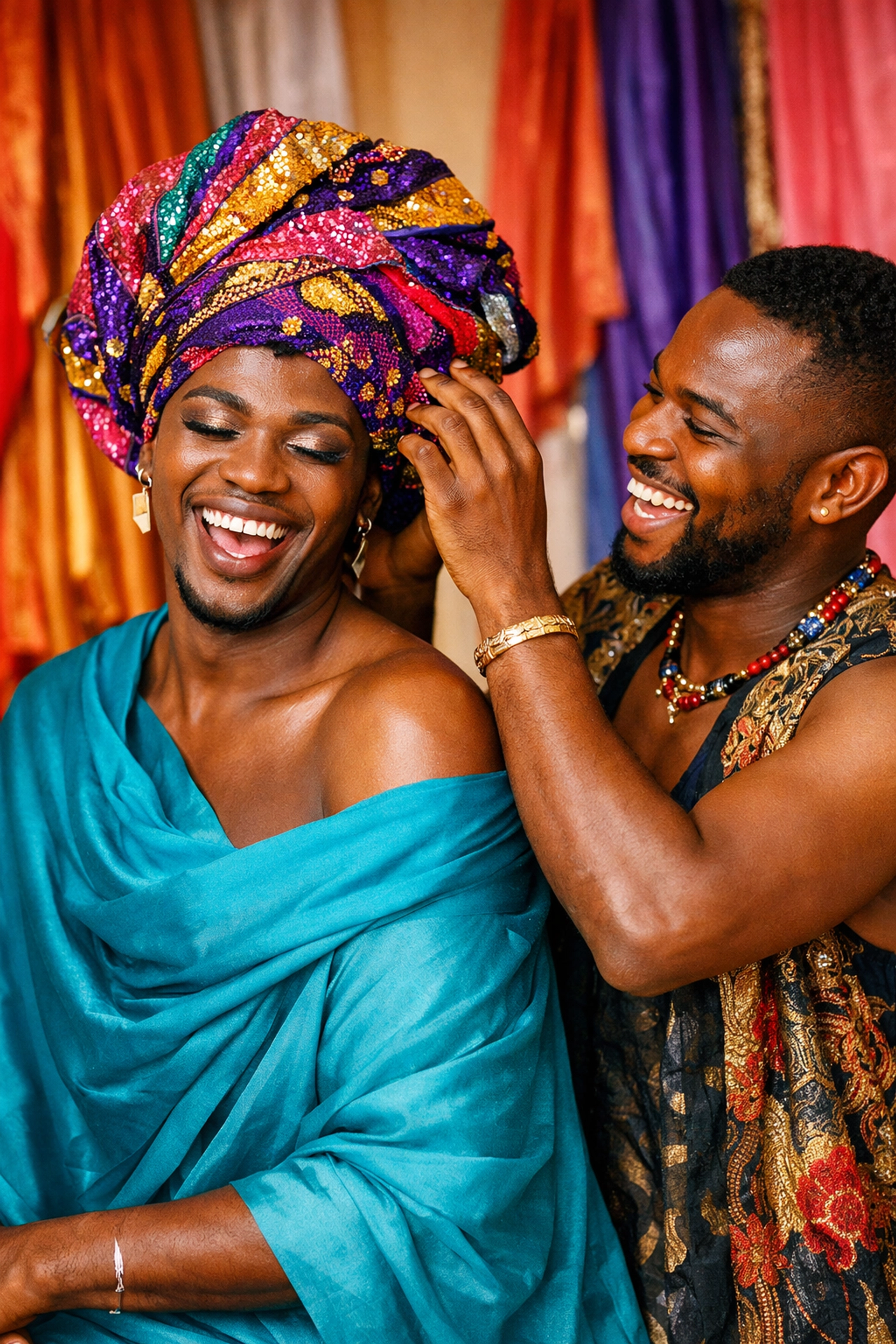
If you think your favorite gay romance books feature some well-dressed leads, wait until you hear about the 'Yan Daudu. In Northern Nigeria, these men are often considered the ultimate arbiters of style. It’s common for women to hire 'Yan Daudu to help them pick out wedding outfits or apply makeup because their "feminine" eye is seen as superior.
Historically, many 'Yan Daudu lived in the Gidan Mata (the "House of Women"). These were spaces where independent women: often those who were divorced or had left their families: lived and worked. The 'Yan Daudu found a natural kinship with these women; both groups were seen as existing outside the traditional patriarchal family structure. Inside the Gidan Mata, they formed tight-knit communities, sharing resources and protecting one another. This "found family" dynamic is exactly the kind of thing we love to see in heartfelt gay fiction.
Faith and Fluidity: A Complex Dance
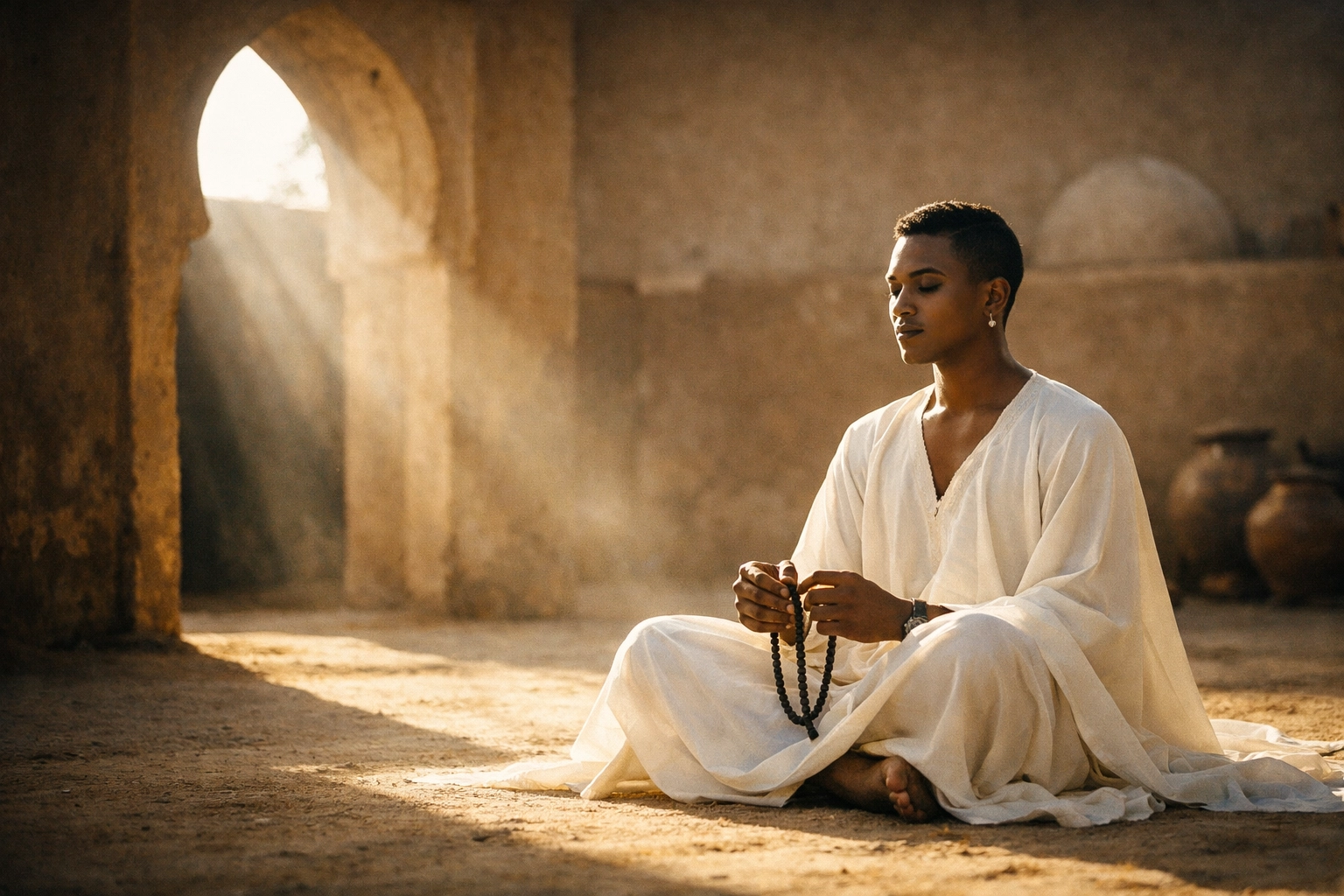
One of the most misunderstood aspects of 'Yan Daudu life is their relationship with Islam. Northern Nigeria is a predominantly Muslim region, and while Islamic law (Sharia) generally takes a hard line against same-sex acts, many 'Yan Daudu identify as devout Muslims.
They navigate this by separating acts from identity. To many in Hausa society, being a 'Yan Daudu is a performance of gender, not a declaration of who you sleep with. As one community member famously put it, "Where I pray, people don't have an issue with me because they know although I'm gay, I am still very religious."
They also maintain ties to Bori, a pre-Islamic spirit possession cult. This dual-faith existence allows them to stay rooted in their ancestral history while still participating in the dominant religious culture of their modern neighbors. It’s a delicate balancing act that requires immense resilience: a theme often explored in gay psychological thrillers and complex queer fiction.
The Modern Struggle for Acceptance
Unfortunately, the relative tolerance the 'Yan Daudu enjoyed for centuries has come under fire in recent decades. The rise of more rigid, conservative interpretations of religion has led to increased persecution. What was once seen as a traditional cultural niche is now often targeted as "un-Islamic" or "Western-influenced": ironic, given that their roots in Nigeria go back much further than any Western colonial influence.
Despite this, the 'Yan Daudu remain resilient. You can still find them in the bustling markets of Kano, working as cooks, fashion consultants, and intermediaries. They represent a bridge between the ancient and the modern, proving that LGBTQ+ fiction and history aren't just about "coming out": sometimes they're about "staying in" and carving out space within a tradition that tries to deny you.
Why Their Story Matters in 2026
At Readwithpride.com, we believe that representation matters: not just in the best MM romance of the year, but in our understanding of global history. The 'Yan Daudu remind us that:
- Gender isn't a monolith. The way we express "femininity" or "masculinity" is deeply cultural.
- Queer history is African history. Long before colonization, African societies had their own ways of understanding gender diversity.
- Faith and identity can coexist. You don't always have to choose between your spirit and your soul.
If you’re looking to dive deeper into stories of self-discovery and the complexities of identity, check out The Transaction of Self, or explore our list of 2026 gay books for more global perspectives.
Finding Your Own Path
Whether you're reading steamy MM romance or a gay historical romance, stories like those of the 'Yan Daudu inspire us to live authentically. They remind us that even in the most restrictive environments, the human spirit finds a way to wear its favorite colors and dance.
Are you interested in more stories about queer life across the African continent? Or perhaps you're looking for your next favorite gay romance series? We’ve got you covered. From gay adventure romance set in the Savannah to gay contemporary romance in the heart of Lagos, the world of queer literature is expanding every day.
Keep reading, keep dreaming, and always Read with Pride.
Want more? Check out these links:
- Explore our full library of LGBTQ+ ebooks: readwithpride.com/product-sitemap1.xml
- Follow our journey on social media for daily recs:
#ReadWithPride #QueerHistory #YanDaudu #AfricanPride #MMRomance #LGBTQFiction #GayBooks2026 #HausaCulture #GenderFluidity #GlobalQueerStories

Leave a Reply
You must be logged in to post a comment.