

readwithpride.com
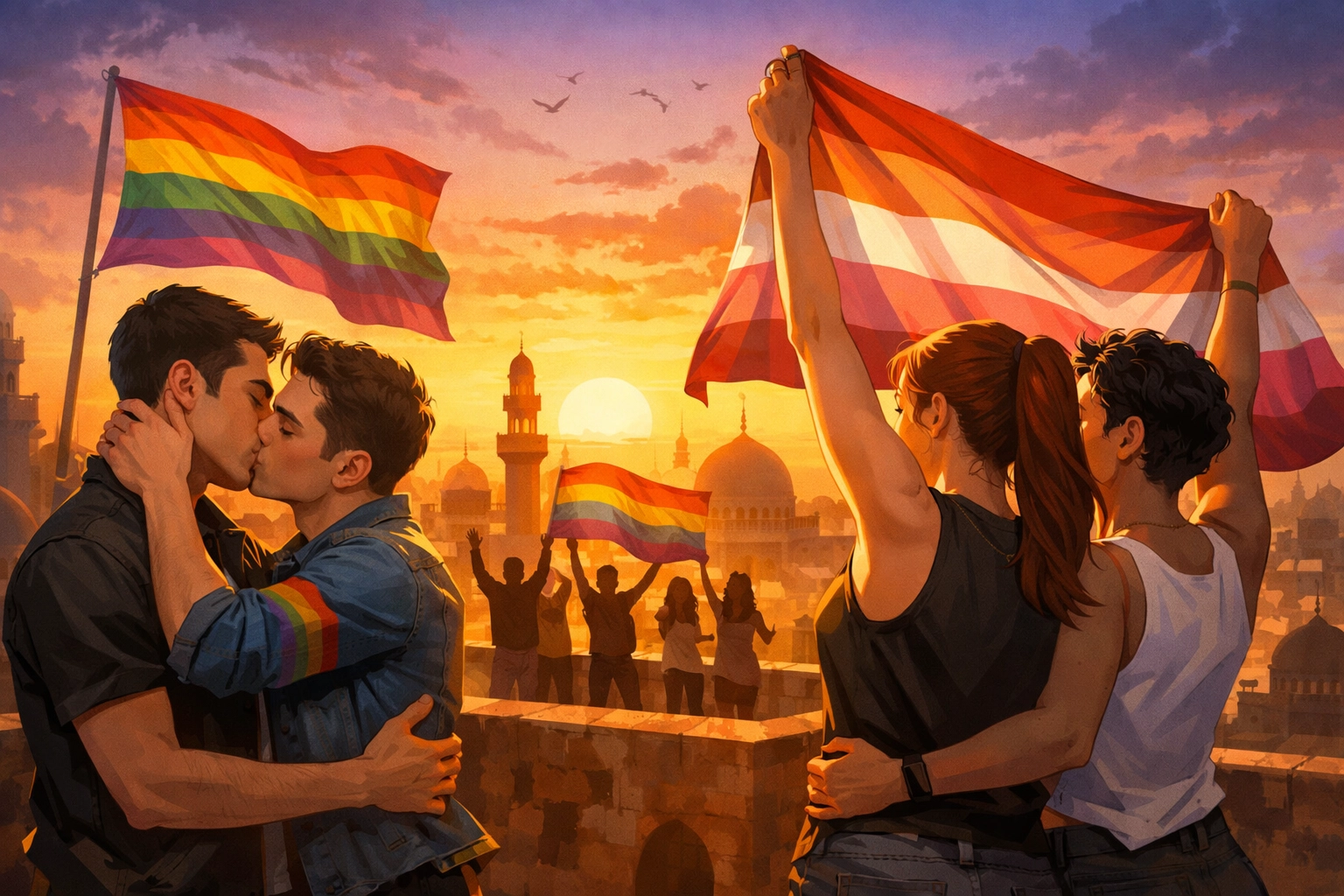
When we talk about queer life in the Middle East and North Africa (MENA), the conversation usually goes one of two ways. It’s either a heartbreaking tragedy of oppression or a sanitized "pinkwashing" narrative. But here in 2026, the real story is happening in the messy, brave, and incredibly vibrant middle ground. There’s a "New Guard" of activists, artists, and everyday dreamers from Kuwait to Iraq who are rewriting what it means to be queer in the Arab world.
At Read with Pride, we believe stories are the most powerful weapons we have. Whether it’s a gay romance novel set in the bustling streets of Beirut or a gay historical romance exploring the hidden lives of poets in ancient Baghdad, literature keeps the flame of hope alive. Today, we’re looking at the landscape of queer rights across the region and why the road to 2030 might just surprise the world.
The Colonial Hangover: Why History Matters
One of the biggest myths used against the LGBTQ+ community in the Arab world is that being gay is a "Western import." Honestly? That couldn't be further from the truth. History tells a much more colorful story. Long before European colonial powers showed up with their Victorian-era "decency" laws, the Arab world had a rich tradition of acknowledging same-sex love.
Think of the Abbasid Caliphate, where poets like Abu Nuwas wrote shamelessly about their love for men. In many ways, the region was more progressive in the 9th century than it was in the 20th. Most of the harsh anti-gay laws currently on the books in places like Kuwait, Iraq, and Egypt are actually relics of British and French colonial codes. The "New Guard" isn't bringing in Western ideas; they’re reclaiming a heritage of fluidity that was erased by outside influence.

The Current Landscape: A Patchwork of Reality
Navigating the Arab world as a queer person in 2026 is like walking through a minefield where some of the mines are actually hidden gardens.
Kuwait and the Gulf
In Kuwait, the legal system remains tough. Laws against "imitating the opposite sex" have historically been used to target trans and gender-nonconforming folks. Yet, beneath the surface, there’s a thriving underground scene. Younger Kuwaitis are finding ways to build community through private digital spaces and art, pushing back against the status quo one TikTok at a time.
Iran: A Complex Contradiction
While not Arab, Iran is a major player in the regional dynamic. It’s a place of wild contradictions: where the state may subsidize gender-reassignment surgery but criminalize gay identities with the death penalty. But the youth of Iran have been part of a massive cultural shift over the last few years, demanding bodily autonomy that naturally includes queer liberation.
Iraq and the "Moral" Crackdown
Iraq has seen some of the toughest times recently, with legislative attempts to specifically criminalize same-sex acts with heavy prison sentences. However, Iraqi queer activists are some of the gutsiest people on the planet. They are documenting abuses, providing safe houses, and ensuring that their existence isn't erased from the national narrative.
Israel: The Unique Bubble
Israel remains the most legally protected place for LGBTQ+ people in the region, with Pride parades in Tel Aviv that draw hundreds of thousands. However, the "New Guard" of activists within Israel: especially Palestinian queer activists: are increasingly focusing on the intersection of queer rights and national identity, refusing to let their identity be used to mask broader regional conflicts.
The Power of the "New Guard" Activism
So, who is this New Guard? They aren't just lobbyists in suits. They are the 22-year-olds in Cairo using VPNs to download LGBTQ+ ebooks and gay fiction to see themselves represented. They are the organizers in Lebanon who, despite the economic and political turmoil, keep the doors of Helem (the first LGBTQ+ rights center in the Arab world) open.
What makes this generation different is their digital fluency. In 2026, you can’t fully ban an identity when the internet exists. Social media has allowed queer Arabs to realize they aren’t alone. They are forming cross-border alliances, sharing safety tips, and creating a new vocabulary for their experiences that doesn't rely on Western terms.

Why Representation in MM Romance and Fiction Matters
You might wonder why a publisher like Read with Pride cares about regional politics. It’s because for many people in these restrictive environments, gay love stories are a lifeline. When you're told every day that your feelings are "wrong" or "unnatural," reading a steamy MM romance or a heartfelt gay fiction book is an act of revolution.
Our collection of gay romance books often features characters who have to navigate family expectations and societal pressure: themes that resonate deeply with our readers in the MENA region. We see a growing demand for MM contemporary stories that reflect the reality of living in two worlds.
"The Transaction of Self," which you can find on our product page, is just one example of the kind of complex, authentic narratives that the community is hungry for. Whether it's gay thriller or gay adventure romance, these books provide the escapism and validation needed to keep fighting.

The Vision for 2030: Shifting the Needle
What does the future hold? Activists aren't necessarily looking for "marriage equality" by 2030: that’s a long-term goal. The immediate focus is on "Human Security."
- Decriminalization: The push to remove colonial-era laws that punish consensual acts.
- Digital Safety: Protecting queer people from "digital traps" where authorities use dating apps to lure and arrest individuals.
- Social Acceptance: This is the slow work. It happens through art, music, and popular gay books that humanize the queer experience for the general public.
In Tunisia, for example, the "New Guard" has been instrumental in using the country's relatively open political space to challenge the status quo. They are proving that you can be Arab, Muslim, or Christian, and proudly queer all at once.
How You Can Support
Visibility is a double-edged sword. While we celebrate the progress, we have to remember the risks. Supporting the New Guard means listening to their voices rather than speaking over them. It means supporting platforms that provide access to queer content safely.
If you’re looking to dive deeper into the world of queer literature, check out our blog category sitemap for more insights on global queer culture. Or, if you’re a writer with a story that needs to be told, see how we work as an ebook publisher.
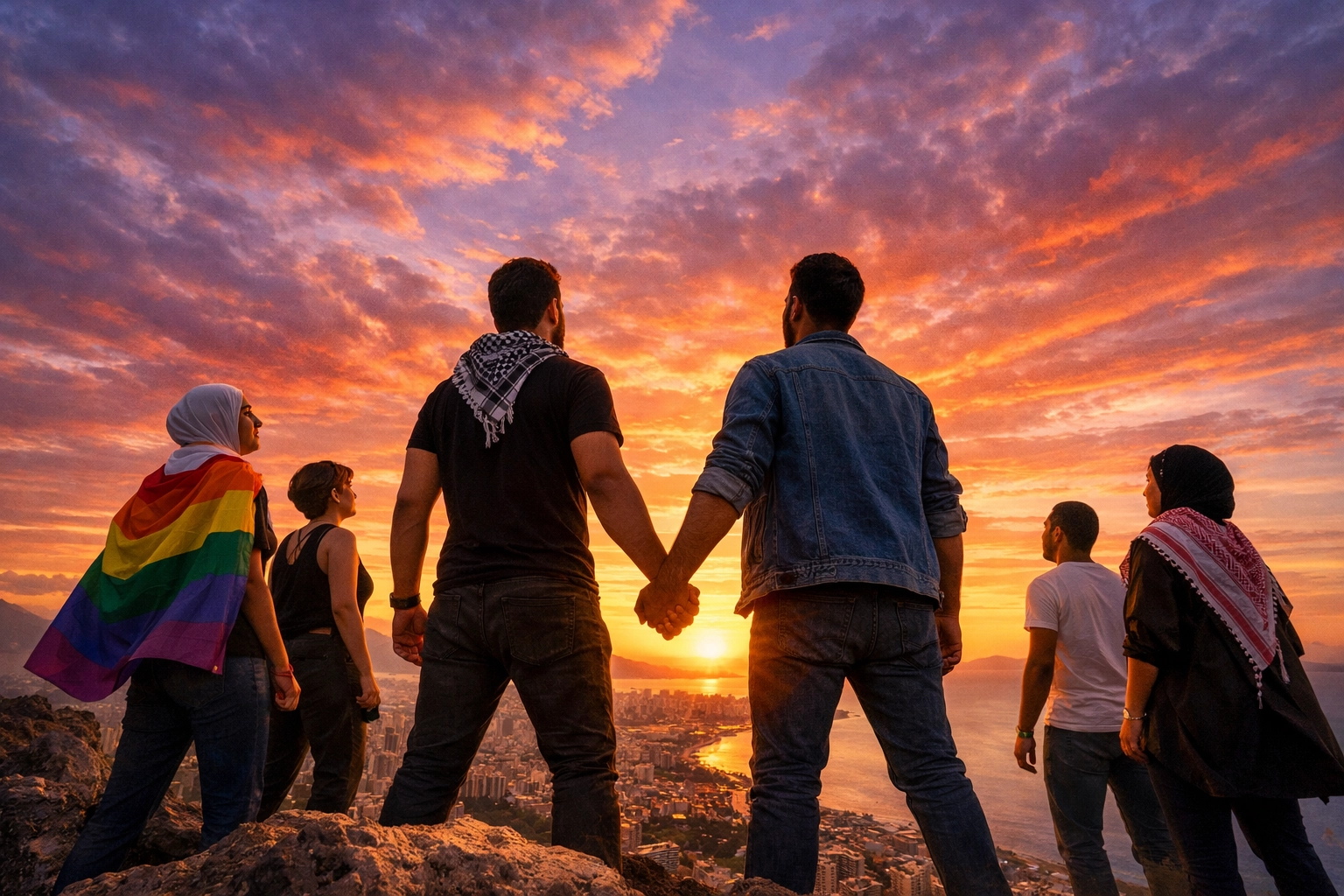
The Middle East is not a monolith. It is a region of incredible diversity, and its queer community is no different. The New Guard is here, they are loud, and they are not going anywhere. By 2030, the map of the Arab world might look very different: not because of outside pressure, but because of the brave souls within who are demanding their right to love and be loved.
Keep reading, keep resisting, and always Read with Pride.
Join the Conversation
What are your favorite gay books set in the Middle East? Have you read any MM historical romance that touched on these themes? Let us know on our socials!
#LGBTQ #MiddleEastQueer #QueerRights #ReadWithPride #MMRomance #GayFiction #NewGuard2026 #ArabWorld #GayBooks2026
Follow us for more authentic queer content:
Explore more at readwithpride.com.

Leave a Reply
You must be logged in to post a comment.