

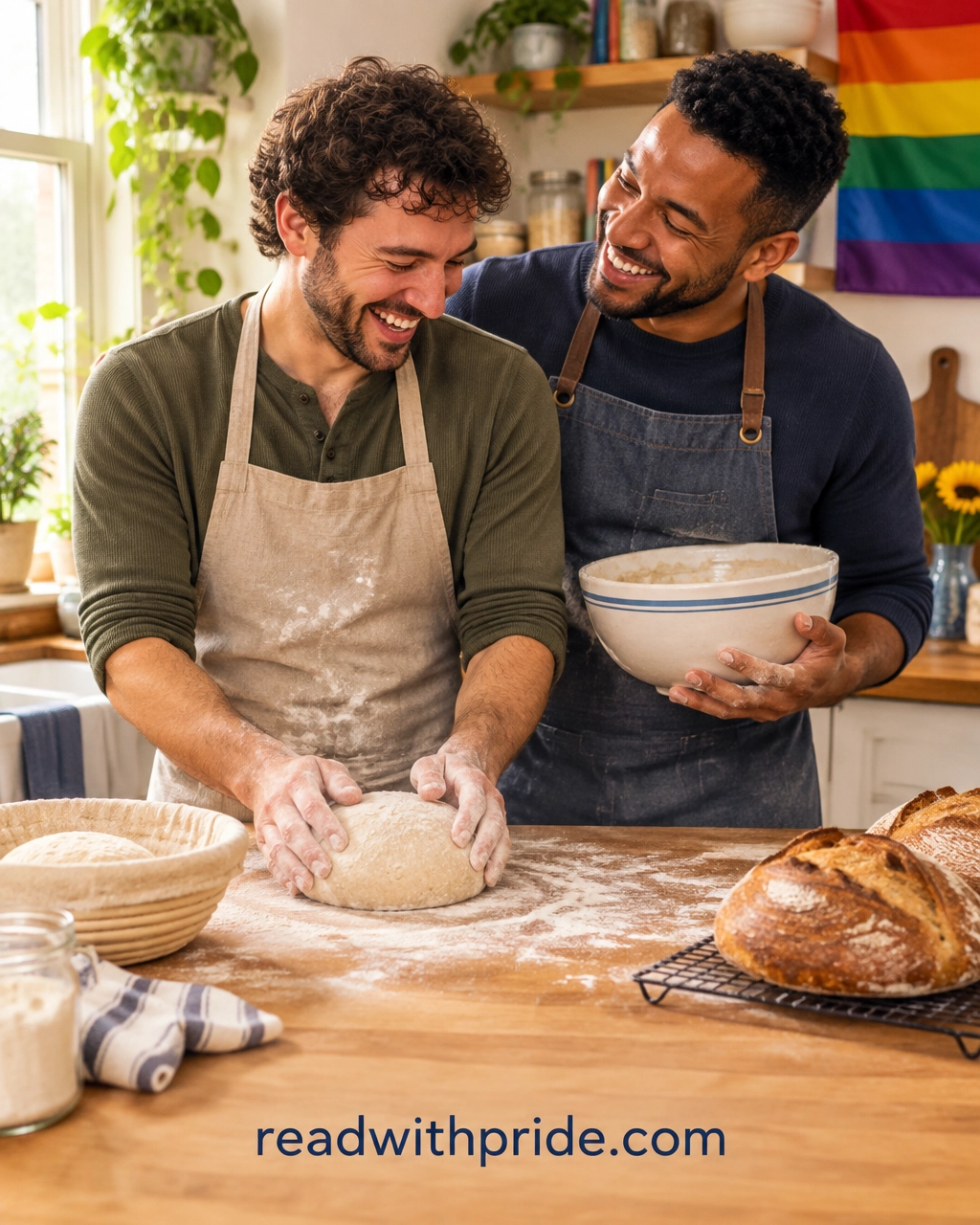
There is something deeply satisfying about sourdough. You mix flour and water, give it time, and somehow end up with a loaf that looks like it has opinions about your life choices.
Better still, bread baking is one of those queer hobbies that naturally turns into community building. A starter needs feeding, patience and regular attention. So do friendships. Conveniently, both are improved by snacks.
Start with a jar, then start a conversation
Sharing sourdough starter is a tiny act of trust. You hand someone a living culture, a recipe, and the responsibility of keeping the bubbly little creature happy. Label the jar, add feeding instructions, and perhaps give it a dramatic name. Doughvid-19 may be retired, but the naming tradition remains gloriously unserious.
A starter-sharing table can be a brilliant way to welcome people who are new to baking. Invite friends, neighbours, members of a local LGBTQ+ group, or your queer book club. Some people will arrive with years of baking experience. Others will arrive with a jar and the haunted expression of someone who has been told to “read the dough.”
Both are welcome.

Make communal bake days low-pressure
A communal bake day does not need to look like a competitive baking show. There is no need for dramatic music, impossible deadlines or someone whispering, “Their crumb is structurally disappointing.”
Choose one accessible recipe, such as a simple country loaf, focaccia or soft rolls. Bake together in a queer-friendly community kitchen, café, shared workspace or someone’s home. Rotate tasks so everyone can participate:
- Mixing and stretching dough
- Shaping and scoring
- Talking through fermentation
- Making tea and providing emotional support
- Photographing the inevitable loaf that has spread sideways
The key is to make the gathering welcoming rather than perfectionist. A collapsed loaf is not a personal failure. It is evidence that you tried something with yeast and courage.
You can also build in accessibility from the start. Offer seated tasks, clear instructions and non-wheat options where possible. Participation should not depend on having expensive equipment, specialist knowledge or the confidence to pronounce “lamination” without hesitation.
Bake for chosen family
Few things say “you matter to me” like showing up with fresh bread.
Bake a loaf for a chosen family dinner, a housewarming, a friend recovering from a difficult week or a neighbour who has just moved in. Food can create connection without demanding a perfectly polished explanation of who you are.
That matters in queer life. Not every gathering needs to centre coming out stories, identity conversations or difficult family histories. Sometimes community looks like passing the butter, arguing affectionately about crust, and making sure everyone gets the end piece.
And yes, someone will always claim they do not want the end piece before quietly taking it home.

Organise a queer bread swap
Bread swaps are community building with excellent carbohydrates.
Choose a simple format: everyone brings a loaf, rolls, focaccia or another bake, then swaps with someone else. Add ingredient cards for allergies and dietary needs. You might also include a small story with each bake: the recipe you learned from a neighbour, the first loaf that worked, or the reason you named your starter after a pop star.
A queer bread swap could raise funds for a local LGBTQ+ organisation, support a community fridge or help cover the cost of a future bake day. You could host it at a queer-owned café, community centre or pop-up event.

Let the bread lead you to new stories
Hobbies create natural conversation. While your dough rests, you may discover shared interests in gardening, crafting, cooking, chosen family traditions or reading.
That is where books come in. A bake day can become a relaxed reading gathering, with recommendations for MM romance books, gay romance novels, lesbian romance, gay fiction, LGBTQ+ novels and tender queer love stories. Discuss favourite MM romance tropes, from forced proximity and slow burn to enemies-to-lovers, while waiting for the oven timer.
For more LGBTQ+ ebooks, explore Read with Pride, browse the Read with Pride blog, or follow the conversation on Instagram and Facebook. Whether you are searching for LGBTQ+ fiction 2026, coming out stories, C Section 2026, or your next favourite queer read, there is room at the table.
Feed the starter. Find your people.
You do not need to be an expert baker to begin. Get a jar, choose a recipe and invite someone over. Start small: one loaf, one neighbour, one shared laugh.
Then see what grows.
What would you bring to a queer bread swap? Tell us, invite your people, and share the joy of baking together.
#QueerHobbies #CommunityBuilding #SourdoughCommunity #LGBTQBooks #MMRomanceBooks #GayRomanceNovels #ReadWithPride #QueerLoveStories

Leave a Reply
You must be logged in to post a comment.